
Article: The History of the Cello - A Journey of Deep Sound
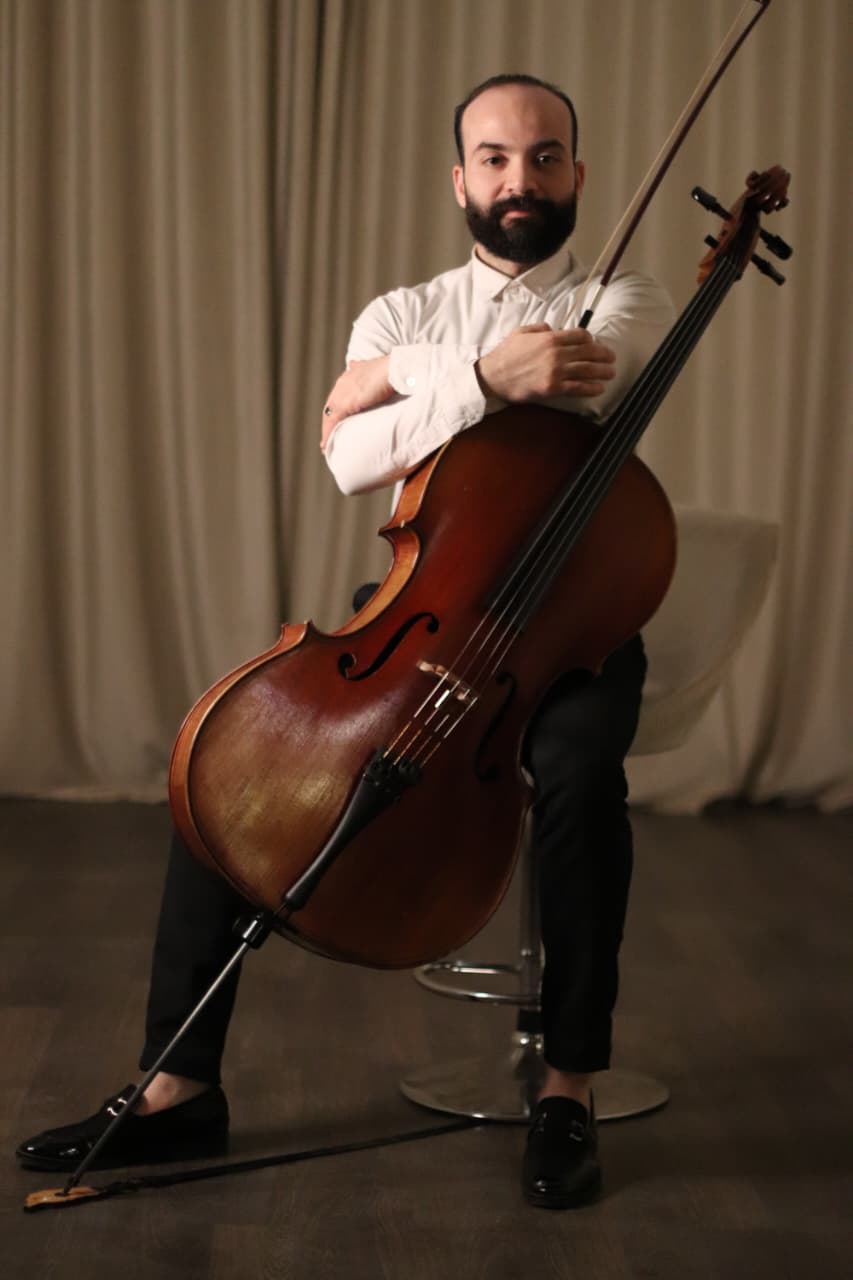
Few sounds touch the depths of human emotion like the voice of the Cello (Violoncello). This magnificent instrument, with its large wooden body and warm, singing tone that resembles the human voice, stands as a pillar of both classical and contemporary music. However, its journey to this status was long and fascinating.
Origins: From the Violin Family
The cello's origins date back to 16th century Italy, as part of the violin family, which gradually replaced the older viol (viola da gamba) family. The first of these instruments, then called the "violoncello"—literally meaning "the small violone"—were crafted by legendary luthiers in Cremona, most notably Andrea Amati. The original cello was slightly larger and was held between the legs without the use of the modern metal endpin.
Evolution in the Baroque and Classical Eras
In the Baroque period, the cello found an important role as part of the basso continuo section, providing the harmonic foundation for musical pieces. With the rise of the Classical era, the cello began to emerge as a solo voice. Johann Sebastian Bach was among the first to recognize its expressive potential through his famous Six Suites for Unaccompanied Cello.
The major transformation came in the 18th century at the hands of Antonio Stradivari and Giuseppe Guarneri del Gesù. They refined the instrument's design, making its body thinner and narrowing its ribs, giving it a more powerful and flexible sound capable of filling large concert halls.
Romantic Peak and the Modern Era
In the Romantic era, the cello achieved its glory as a leading solo instrument. Ludwig van Beethoven wrote prominent parts for it in his symphonies, while some of its greatest concertos were composed by Johannes Brahms, Antonín Dvořák, and Camille Saint-Saëns. Soloists like Pablo Casals in the 20th century became international stars.
In the 20th century and beyond, the cello transcended classical boundaries. It was adopted in jazz, folk, rock, and even Hollywood film scores to provide emotional depth. Cellists like Yo-Yo Ma have performed on the world stage, demonstrating the cello's unique ability to serve as a bridge between cultures and musical traditions.
Conclusion
From the Italian workshops of the 16th century to the global concert halls and cinema screens of today, the cello has evolved from a modest supporting role to an acknowledged musical protagonist. It is more than just an instrument; it is a vessel for human emotion, a living witness to the evolution of art through the centuries, and a voice that continues to speak the language of the heart to each new generation.
Origins: From the Violin Family
The cello's origins date back to 16th century Italy, as part of the violin family, which gradually replaced the older viol (viola da gamba) family. The first of these instruments, then called the "violoncello"—literally meaning "the small violone"—were crafted by legendary luthiers in Cremona, most notably Andrea Amati. The original cello was slightly larger and was held between the legs without the use of the modern metal endpin.
Evolution in the Baroque and Classical Eras
In the Baroque period, the cello found an important role as part of the basso continuo section, providing the harmonic foundation for musical pieces. With the rise of the Classical era, the cello began to emerge as a solo voice. Johann Sebastian Bach was among the first to recognize its expressive potential through his famous Six Suites for Unaccompanied Cello.
The major transformation came in the 18th century at the hands of Antonio Stradivari and Giuseppe Guarneri del Gesù. They refined the instrument's design, making its body thinner and narrowing its ribs, giving it a more powerful and flexible sound capable of filling large concert halls.
Romantic Peak and the Modern Era
In the Romantic era, the cello achieved its glory as a leading solo instrument. Ludwig van Beethoven wrote prominent parts for it in his symphonies, while some of its greatest concertos were composed by Johannes Brahms, Antonín Dvořák, and Camille Saint-Saëns. Soloists like Pablo Casals in the 20th century became international stars.
In the 20th century and beyond, the cello transcended classical boundaries. It was adopted in jazz, folk, rock, and even Hollywood film scores to provide emotional depth. Cellists like Yo-Yo Ma have performed on the world stage, demonstrating the cello's unique ability to serve as a bridge between cultures and musical traditions.
Conclusion
From the Italian workshops of the 16th century to the global concert halls and cinema screens of today, the cello has evolved from a modest supporting role to an acknowledged musical protagonist. It is more than just an instrument; it is a vessel for human emotion, a living witness to the evolution of art through the centuries, and a voice that continues to speak the language of the heart to each new generation.